Why Car Insurance in 2026 Is More Than Just Protection — It’s Savings!

drivers are paying more for car insurance than ever before — and most of them have absolutely no idea how much money they are leaving on the table every single month. The average American driver overpays by hundreds of dollars annually simply by staying loyal to their current insurer without ever shopping around or asking the right questions.
In 2026, the car insurance market has become more competitive than at any point in recent history, and that competition is creating real and significant opportunities for smart drivers in every single state. Knowing how to navigate the system, claim the discounts you already qualify for, and use the tools available to you today can save you anywhere from a few hundred to several thousand dollars every year without reducing your coverage by a single dollar.
This complete guide covers everything American drivers need to know to take control of their car insurance costs in 2026 and start keeping more of their hard-earned money where it belongs — in their own pocket.
1. Car Insurance Rates Across America Are Shifting Fast in 2026
Insurance premiums across the United States have climbed sharply over the past two years, with drivers in virtually every state experiencing noticeable increases at renewal time. Rising repair costs, increased claims frequency, and inflation in the automotive parts and labour markets have all contributed to pushing average premiums to record highs for American households.
However, the story does not end there. New competition from regional carriers and digital-first insurance companies is beginning to crack those elevated prices in meaningful ways for drivers who know where to look. States like Florida, Michigan, and California are seeing the most dramatic pricing swings, with comparison shopping revealing gaps of $500 or more between the highest and lowest quotes available for completely identical coverage from different providers.
2. How to Get the Cheapest Car Insurance Quotes in the US Today

The single fastest and most effective way to find a lower car insurance rate is to use a free online comparison tool that pulls live quotes from dozens of licensed insurers simultaneously in under five minutes. Most American drivers who use these tools for the first time are genuinely shocked to discover how much they have been overpaying their current provider — often for years without realising it.
The best comparison platforms require nothing more than your ZIP code, basic vehicle information, and your current coverage details to generate a full set of competing quotes from multiple carriers at once. You never need to speak to an agent, sit through a sales pitch, or provide sensitive personal information beyond what is necessary to generate an accurate quote. Five minutes of comparison shopping is genuinely one of the highest-return financial activities any American driver can undertake in 2026.
3. The Best Car Insurance Companies in America Competing for Your Business

Major US insurers alongside regional carriers and new digital-first companies are cutting rates aggressively in 2026 to win new customers in an increasingly competitive market. This ongoing price war between established national brands and innovative newcomers represents the best opportunity American drivers have seen in years to lock in a significantly lower premium without sacrificing the quality of their coverage.
Smaller regional insurers consistently outperform national household-name brands on price in many US states, particularly for drivers with clean records and good credit scores. Sticking with a recognisable big-name insurer purely out of habit or brand familiarity could easily be costing you $400 to $800 more per year than necessary — money that belongs in your savings account rather than your insurer’s revenue column.
4. Full Coverage vs. Liability — What Every American Driver Needs to Know
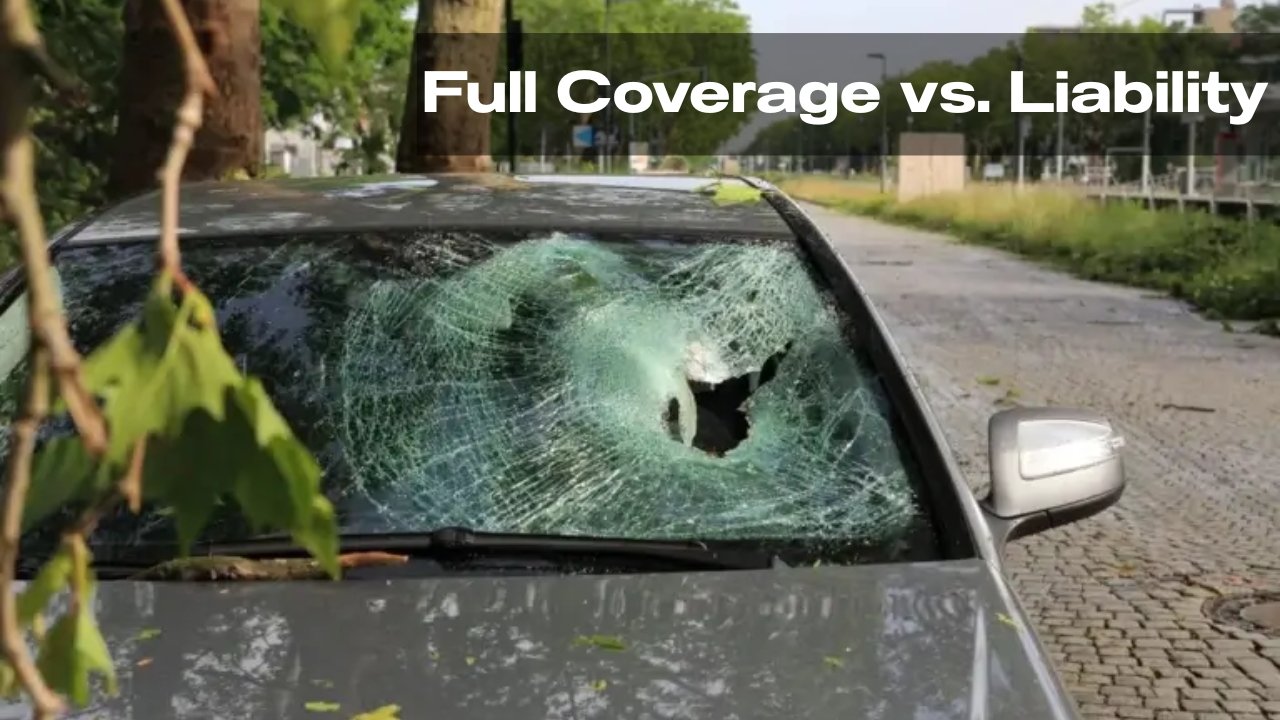
Understanding the difference between full coverage and liability-only insurance is one of the most important and most financially impactful pieces of knowledge any American driver can have. Full coverage makes strong financial sense for newer vehicles where the replacement cost justifies the additional premium, but it can represent a genuine waste of money on older vehicles where the car’s market value no longer justifies the expense.
A widely used rule among US financial advisors is to consider dropping full coverage when your vehicle’s market value falls below ten times your annual comprehensive and collision premium. Liability-only plans in most US states are significantly cheaper while still keeping you fully legally protected on public roads. Evaluating this question honestly for your specific vehicle and situation could be the fastest single adjustment that lowers your monthly insurance bill immediately.
5. Low-Cost Auto Insurance for Every US State — Here Is How to Find It
Every US state sets its own minimum coverage requirements, and insurance prices vary dramatically not just from state to state but from one ZIP code to the next within the same city. Drivers in rural areas and smaller towns consistently pay lower premiums than those in major metropolitan areas like New York City, Los Angeles, Chicago, and Miami, where higher traffic density, theft rates, and repair costs all push prices upward.
Low-cost plans from fully licensed and reputable US carriers offer solid and legally compliant protection without the inflated premiums associated with top-tier comprehensive policies. The most important step any American driver can take is to honestly assess their actual driving habits, annual mileage, and vehicle value and match their coverage level to their real-world needs rather than simply renewing the same policy year after year without question.
6. Auto Insurance Discounts American Drivers Are Leaving on the Table

Research consistently shows that the average US driver qualifies for at least four or five separate insurance discounts but actively uses only one or two of them on their current policy. Good driver discounts, military service discounts, professional association member discounts, alumni discounts, paperless billing savings, and automatic payment reductions are among the most commonly overlooked discounts available from virtually every major US insurer.
The simplest and most immediately actionable advice for any American driver reading this is to call your current insurer today and ask one direct question — what discounts am I currently missing from my policy? Most US insurance agents are contractually required to inform you of all available discounts when asked directly, but they are rarely proactive about volunteering that information unprompted. A single five-minute phone call has resulted in immediate annual savings of $100 to $300 for countless American policyholders who simply asked the question.
7. Usage-Based Insurance Programs Are Saving Safe US Drivers Real Money

Usage-based and telematics insurance programs from major US carriers including Progressive Snapshot, Allstate Drivewise, and State Farm Drive Safe and Save are delivering genuine and significant monthly savings for careful American drivers who are willing to share their driving data with their insurer. These programs use smartphone apps or plug-in devices to monitor your speed, braking habits, cornering behaviour, and time of day driving to build a personalised rate based on your actual driving behaviour rather than statistical averages.
Drivers who log under 8,000 miles annually are seeing some of the most substantial savings from these programs, with careful low-mileage drivers regularly saving between 20 and 30 percent compared to standard fixed-rate policies from the same carrier. If you consider yourself a safe, careful, and low-mileage driver, enrolling in a telematics program is one of the most straightforward and highest-impact ways to immediately reduce your car insurance premium in 2026.
8. Bundling Home and Auto Insurance — The Easiest Savings Hack Available to American Drivers

Combining your homeowners or renters insurance with your auto insurance policy under a single provider is one of the simplest, most widely available, and most underutilised discounts in the entire American insurance market. Most US carriers offer a bundle discount ranging from 10 to 25 percent when you consolidate both policies, and the administrative convenience of managing a single policy, single bill, and single claims contact adds genuine lifestyle value beyond the financial savings.
USAA, Nationwide, and Farmers are among the US insurers most consistently recognised for offering strong and meaningful bundle discounts to their policyholders. If you currently carry your home and auto insurance with separate providers, you are almost certainly leaving a significant annual saving uncollected. Requesting a combined quote from your current auto insurer or your current home insurer takes less than ten minutes and could reveal hundreds of dollars in annual savings immediately.
9. Raising Your Deductible — The Strategic Move That Lowers Your Monthly Bill
Increasing your collision and comprehensive deductible from $500 to $1,000 can reduce your monthly car insurance premium by 10 to 20 percent with most major US carriers — a saving that compounds meaningfully over time for drivers who do not file frequent claims. This strategy works particularly well for American drivers who have maintained a clean claims history for three or more consecutive years and have sufficient financial reserves to cover the higher out-of-pocket cost in the event of an incident.
Over a 36-month period without a claim, the cumulative premium savings from a higher deductible typically exceed the additional out-of-pocket exposure by a comfortable margin. US financial experts consistently recommend setting aside the difference between your old and new deductible amount in a dedicated savings account so the funds are immediately available if needed, giving you both the financial protection and the ongoing premium savings simultaneously.
10. How Your Credit Score Directly Impacts Your Car Insurance Rate
In 43 of the 50 US states, insurance companies are legally permitted to use your credit score as a significant factor in calculating your car insurance premium — and the impact of this practice on your annual bill can be substantial. Statistical data from the insurance industry consistently shows that drivers with excellent credit scores pay on average 40 percent less for identical coverage than drivers with poor credit scores from the same carrier in the same ZIP code.
The practical implication for American drivers is clear and actionable — improving your credit score directly and measurably reduces your car insurance premium in most states. Paying down credit card balances, clearing outstanding late payments, and avoiding new hard credit inquiries are the fastest routes to a meaningfully improved score. California, Hawaii, Massachusetts, and Michigan are currently the only US states that legally prohibit insurers from using credit scores in premium calculations.
11. Digital-Only Insurance Apps Offering the Lowest Rates Available in 2026

American insurance technology companies including Root Insurance, Metromile, and Hippo are offering car insurance premiums that undercut traditional legacy carriers by 30 to 50 percent by operating entirely online and eliminating the agent commission costs, physical office overhead, and administrative inefficiencies that inflate premiums at conventional insurance companies. These fully licensed and state-regulated digital platforms carry exactly the same legal protections and coverage quality as their traditional competitors.
Switching to a digital-first insurer is increasingly recognised by US personal finance experts as one of the highest single-impact financial moves an American driver can make in 2026 to reduce their ongoing insurance costs. The enrollment process takes minutes, the savings are immediate, and the coverage is identical in every legally meaningful way to what traditional carriers provide at significantly higher prices.
12. Teen Driver Insurance — How American Families Manage the Added Cost

Adding a teenage driver to a US household auto policy represents one of the most significant and most sudden insurance cost increases most American families will ever experience, with premiums typically rising by $1,500 to $3,000 annually depending on the state, the vehicle, and the teen’s driving record. Good student discounts, completion of state-approved defensive driving courses, and enrolment in named-driver telematics monitoring programs can each individually reduce this increase by meaningful amounts.
Many US insurers also offer a student-away-at-school discount for families whose teen attends a college or university located more than 100 miles from home without access to the family vehicle, recognising that a student who is physically distant from the car represents a significantly lower risk than one driving daily. Strategically stacking multiple available teen-related discounts simultaneously can keep the additional household insurance cost manageable for most American families facing this common financial challenge.
13. Electric Vehicle Insurance — What Every US EV Owner Needs to Know in 2026
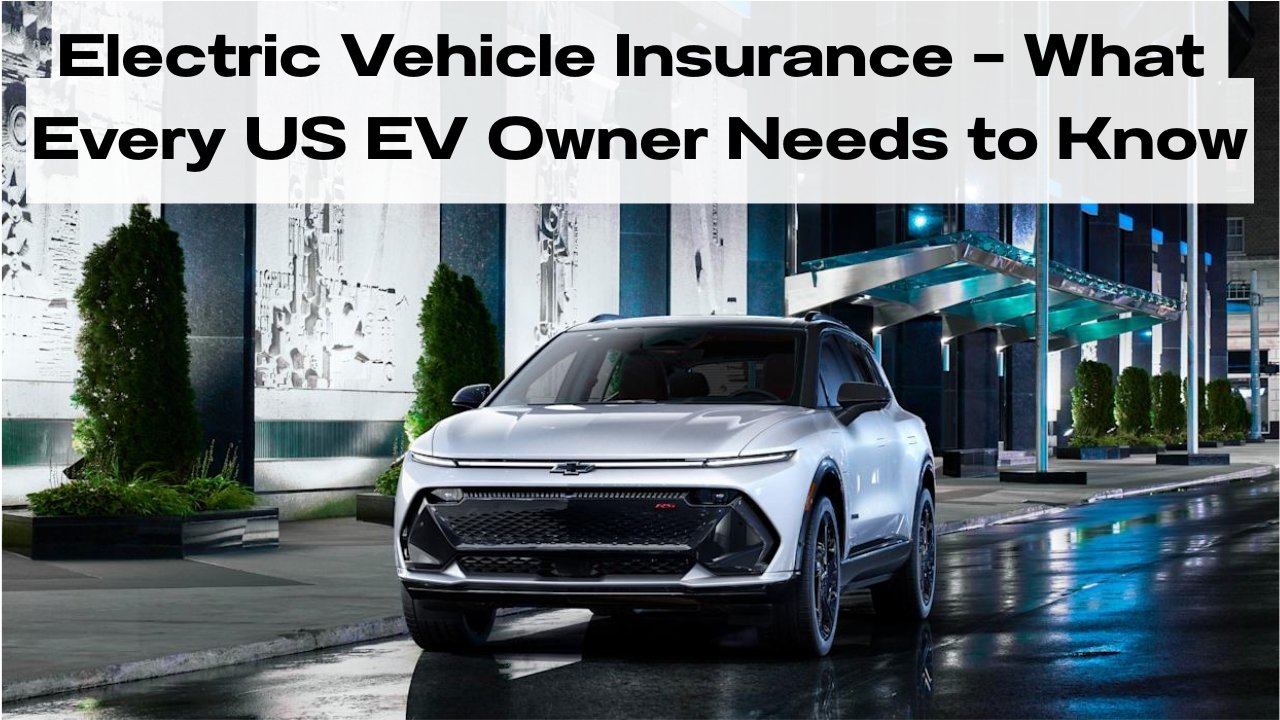
The electric vehicle market in the United States has grown explosively, with over 3 million new EVs registered across the country in 2025 alone, and the insurance industry has responded by rapidly developing EV-specific policy options that better reflect the unique characteristics and risk profile of electric vehicles. Tesla, Rivian, Lucid, and other EV owners can now access specialised coverage options that specifically include battery pack protection, home charging equipment coverage, and software-related damage that conventional auto policies were never designed to address.
Several major US carriers have begun offering lower base premium rates for electric vehicles, reflecting their lower mechanical complexity, reduced fire risk compared to earlier assumptions, and statistically lower claim frequency in certain categories. Selecting an insurer with genuine and demonstrated EV-specific expertise rather than simply applying a generic auto policy to your electric vehicle is increasingly important for ensuring you receive both appropriate coverage and the most competitive available rate for your specific EV model.
14. How to Switch Car Insurance Without a Penalty or Coverage Gap

Switching car insurance providers at any point during your current policy period carries no legal penalty in any US state, and the process is significantly simpler and faster than most American drivers assume. Most US insurers will process an immediate cancellation upon request and issue a prorated refund for all unused premium days remaining in your current policy period, meaning you never pay twice for the same coverage.
The single most important rule to follow when switching is to ensure your new policy is fully active and confirmed in writing before cancelling your existing coverage — even a single day without active insurance is recorded on your insurance history and can result in premium increases from future carriers who view a coverage gap as an indicator of higher risk. Completing both steps on the same day, or ideally activating your new policy the day before cancelling the old one, eliminates this risk entirely and ensures a seamless and financially penalty-free transition.
15. The Annual Policy Review Habit That Keeps Your Premium at Its Lowest

Setting a recurring calendar reminder 30 days before your annual renewal date is one of the simplest and most consistently valuable financial habits any American driver can build into their yearly routine. Major life events including moving to a new ZIP code, paying off your vehicle loan, getting married, improving your credit score, or reaching three years without a claim can each independently qualify you for a meaningfully lower premium that your current insurer will not automatically apply unless you proactively initiate the conversation.
US insurance industry experts consistently recommend gathering a minimum of three fresh competitive quotes every single year regardless of how satisfied you currently are with your existing provider and premium. American drivers who make this annual comparison a consistent habit pay on average $400 less annually than those who passively allow their policies to auto-renew at whatever rate their insurer decides to charge them in any given year.
Conclusion — Your Car Insurance Is One of the Biggest Financial Opportunities Available to You in 2026
American drivers collectively overpay billions of dollars in car insurance premiums every single year through a combination of loyalty to familiar brands, unawareness of available discounts, and the simple inertia of never taking the time to compare alternatives. The competitive market conditions, digital comparison tools, telematics programs, and discount opportunities available in 2026 make this the best and most accessible moment in years for any American driver to take genuine and meaningful control of one of their largest recurring household expenses.
Whether you drive in Texas, New York, Florida, California, Ohio, or anywhere else across this country, a significantly better rate than you are currently paying is almost certainly available to you right now from a licensed, reputable, and financially strong US insurer. The difference between drivers who overpay and drivers who consistently pay the lowest available rate is not luck or circumstance — it is simply the habit of taking five minutes once a year to compare, question, and act on what the market is offering.